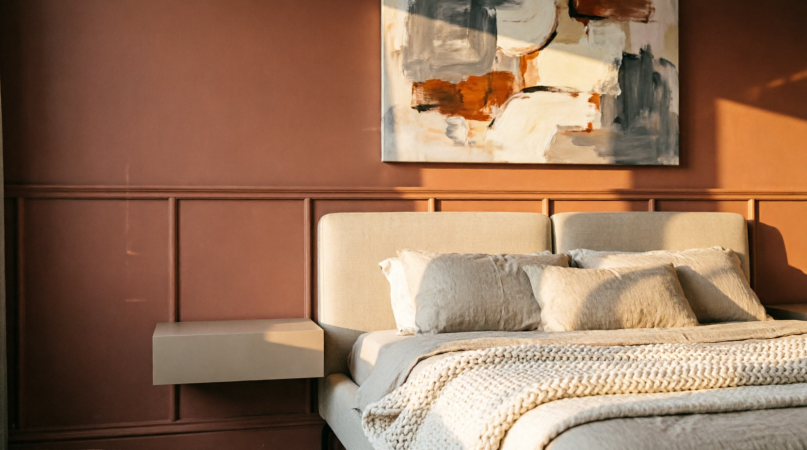
Are you exhausted from searching about wainscoting and beadboard? Don’t worry here’s a Simple Ways to Solve the Problem. Your room can have beautiful furniture, cozy lighting, and thoughtful décor, yet something can still feel missing. Often, the problem is the walls.
Plain walls can make a space feel flat or unfinished and boringness, especially when you want your home to have more character without taking on a full renovation.
That’s where wainscoting and beadboard can make a difference. These wall treatments add texture, architectural detail, and visual interest while giving you plenty of ways to personalize your space.
Here are 15 easy wainscoting and beadboard ideas to help you upgrade a plain wall without making your space feel overly formal or dated.
What Is Wainscoting?
Firstly, let’s know about wainscoting. Wainscoting is a decorative wall treatment that typically covers part of a wall, most often the lower section. It can be made with panels, molding, boards, or other materials to create patterns and architectural detail.
Besides adding visual interest, wainscoting can also help protect the lower portion of a wall from everyday bumps and marks.
If your walls feel too plain but you don’t want to completely remodel the room, wainscoting can be an approachable way to add more personality.
What Is Beadboard?
Now let’s know about beadboard. Beadboard is a type of decorative wall paneling recognized by its closely spaced vertical grooves or “beads.”
Instead of large rectangular panels, beadboard creates a repeated vertical pattern across the wall. It can give a room a cozy, casual, cottage-inspired, or traditional feeling depending on the color and surrounding décor.
Beadboard is often used on the lower portion of a wall, but it can also cover an entire wall when you want a stronger design statement.
Wainscoting vs. Beadboard: What’s the Difference?
Don’t confuse in wainscotting and beadboard. We’ll discuss everything about it. The simplest way to think about it is:
Wainscoting is the broader category of decorative wall treatments, while beadboard is one specific style of paneling.
| Feature | Wainscoting | Beadboard |
|---|---|---|
| Look | Panels, molding, boards, or frames | Repeated narrow vertical grooves |
| Style | Modern, traditional, transitional | Cottage, farmhouse, coastal, traditional |
| Texture | Can be smooth or dimensional | More visibly textured |
| Common placement | Often lower wall | Lower wall or full wall |
| Best for | Creating architectural detail | Adding texture and vertical interest |
Neither has to look old-fashioned. The final appearance depends heavily on the panel design, proportions, paint color, and the rest of the room.
Now let’s see the ideas for wall through which you can decorate and transform your wall.
15 Easy Wainscoting & Beadboard Ideas
1. Try Modern Picture-Frame Wainscoting
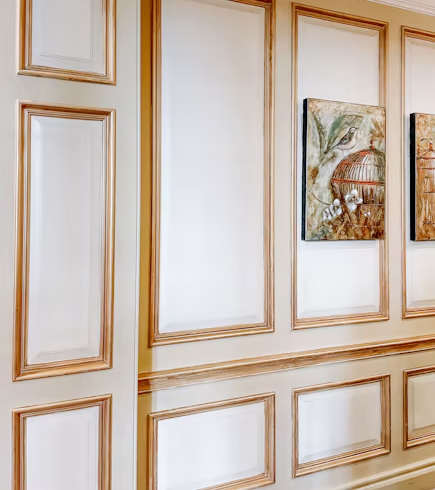
Picture-frame wainscoting uses simple rectangular molding to create framed sections across the lower part of a wall which will give your wall a different look.
It’s a particularly useful option if you want modern wainscoting ideas without introducing a lot of texture or complicated detailing.
Practical tip: Plan the spacing around doors, windows, furniture, and outlets before installing anything.
Avoid: Making the individual frames too narrow or using too many decorative details in a small room.
2. Keep It Simple With Half-Wall Wainscoting
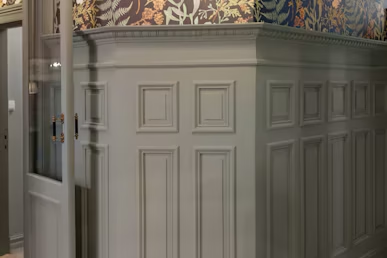
If you’re looking for a classic wainscoting wall without covering the entire room, a simple half-wall treatment can be a practical choice and can create a different look.
This approach adds definition to the lower part of the wall while leaving plenty of space above for artwork, mirrors, wallpaper, or other décor.
It works particularly well in dining rooms, entryways, hallways, and living rooms.
Practical tip: Look at the height of nearby furniture and architectural features before deciding where the upper edge should sit.
Avoid: Treating “half wall” as a strict measurement. The most attractive height depends on the room’s proportions.
3. Choose Minimal Shaker-Style Panels
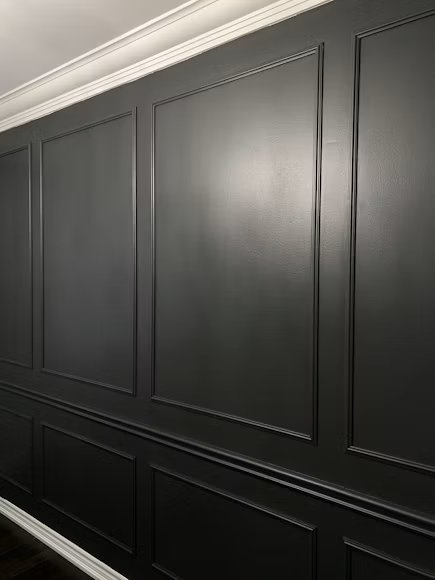
Shaker-style panels are a good option if you like clean lines and understated detail and simple look.
Instead of ornate molding, this approach uses simple rectangular shapes with relatively flat profiles. That makes it easier to blend with modern, transitional, and minimalist interiors.
In a bedroom, for example, simple paneling can create a subtle architectural backdrop without competing with the bed, bedding, or artwork.
Practical tip: Keep the panel spacing consistent throughout the wall.
Avoid: Adding several different molding profiles at once. Simplicity is what gives this style its modern character.
4. Add Vertical Interest With Board-and-Batten
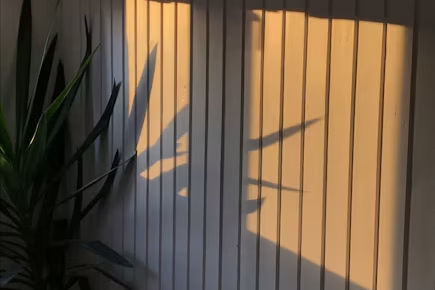
Board-and-batten wainscoting uses vertical strips to create a strong sense of height and structure.
It’s especially useful when you want to draw attention upward or introduce a more architectural look without using traditional framed panels.
The style works well in bedrooms, entryways, living rooms, and home offices. Soft white, muted green, charcoal, warm beige, and other earthy shades can all work depending on your existing décor.
Practical tip: Consider the width and spacing of the battens in relation to the size of the wall.
Avoid: Using very dense spacing on a small wall if the room already contains many patterns.
5. Bring Texture With Classic Beadboard
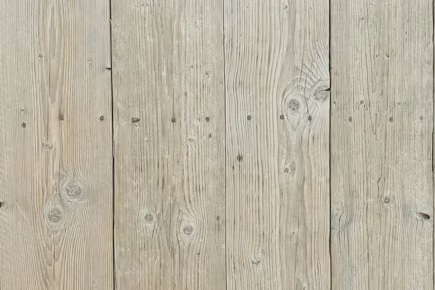
If you want a wall treatment with more texture, beadboard is an easy style to consider.
Its narrow vertical grooves create rhythm across the wall and can give a room a relaxed, cozy character.
Beadboard works especially well in bathrooms, mudrooms, entryways, bedrooms, kitchens, and cottage-inspired interiors.
Practical tip: In moisture-prone rooms, choose materials and finishes that are appropriate for the environment.
Avoid: Pairing highly textured beadboard with too many competing patterns unless you intentionally want a busy look.
6. Make a Statement With Full-Height Paneling
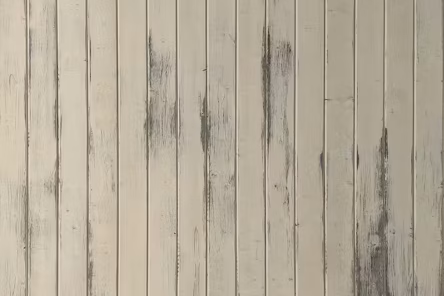
Well….. Wainscoting doesn’t always have to stop halfway up the wall.
Full-height paneling can create a dramatic feature, particularly when used on one statement wall.
This approach can work behind a bed, sofa, dining table, or console. It gives the wall more visual weight and can make the architectural detail itself the main feature.
For a modern interior, simple panels and one consistent paint color can keep the result polished.
Practical tip: Consider using full-height paneling selectively rather than automatically covering every wall.
Avoid: Using an elaborate panel design across a small room where it could compete with furniture and décor.
7. Create a Stylish Bedroom Backdrop
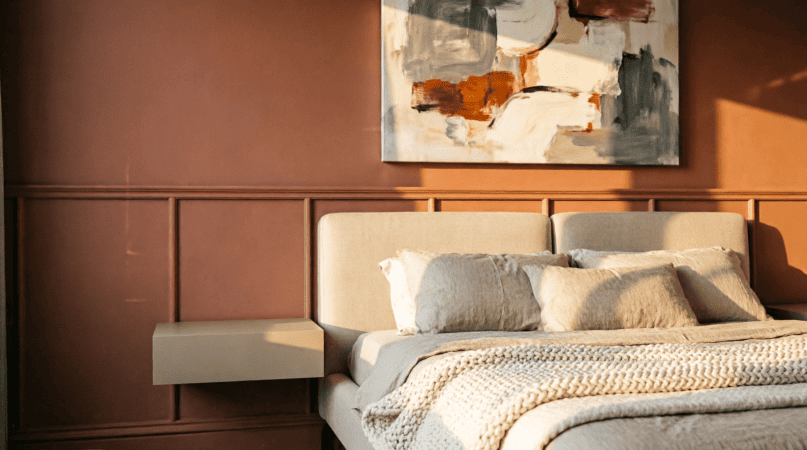
A bedroom doesn’t always need artwork or a dramatic headboard to create a focal point.
A paneled wainscoting wall behind the bed can provide architectural interest while keeping the overall design relatively simple.
You should try to coordinating the panel color with the bedding, curtains, or other furniture rather than choosing a completely unrelated shade.
Practical tip: Make sure the panel layout works around the bed and nightstands so important lines aren’t hidden awkwardly.
Avoid: Creating complicated panel divisions that disappear behind furniture and leave an uneven pattern around the visible areas.
8. Add Character to a Living Room
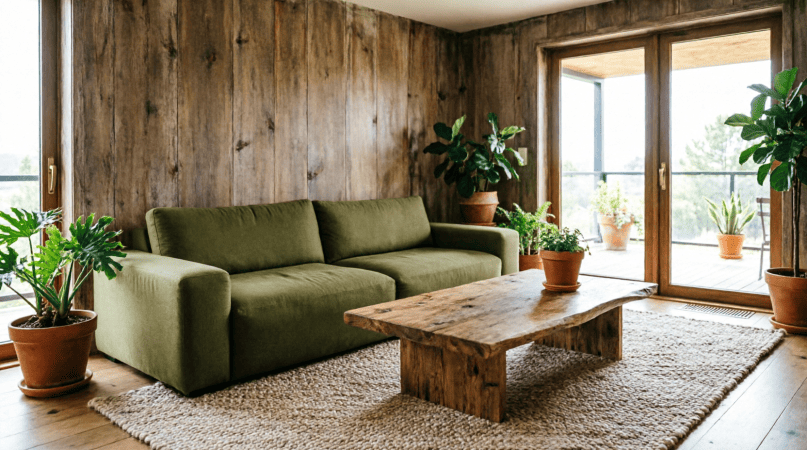
You can add character to a living room. A living room is one of the easiest places to experiment with wainscoting ideas because the wall treatment can complement sofas, artwork, shelving, and other furniture.
Simple picture-frame molding can give a traditional room more structure, while board-and-batten can create a cleaner modern farmhouse or transitional look.
Practical tip: Look at the placement of your sofa, television, shelves, and artwork before deciding where the panels should go.
Avoid: Installing a pattern without considering what furniture will eventually cover it.
9. Give the Dining Room More Definition
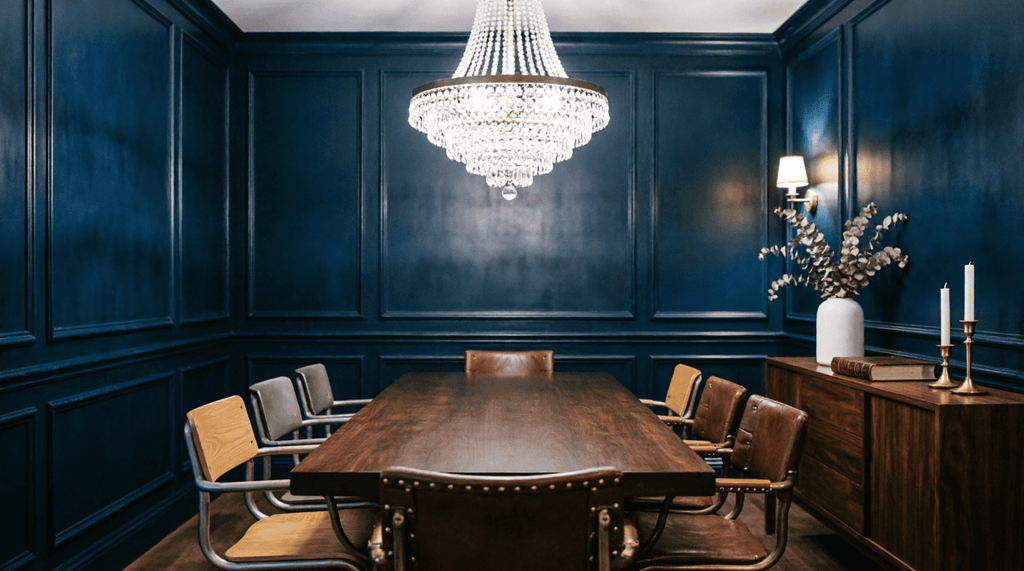
If you are confusing about dinning room so, dining rooms are naturally suited to wainscoting because the treatment can visually frame the table and seating area.
Classic raised panels can complement traditional furniture, while simple flat panels or picture-frame molding can work with a more contemporary dining space.
For a cozy look, consider a warm neutral or earthy color. For more contrast, pair a darker lower section with a lighter upper wall.
Practical tip: Coordinate the panel height with the dining chairs and other existing architectural elements.
Avoid: Choosing a panel design that competes heavily with patterned curtains, wallpaper, or an elaborate rug.
10. Upgrade an Entryway or Hallway
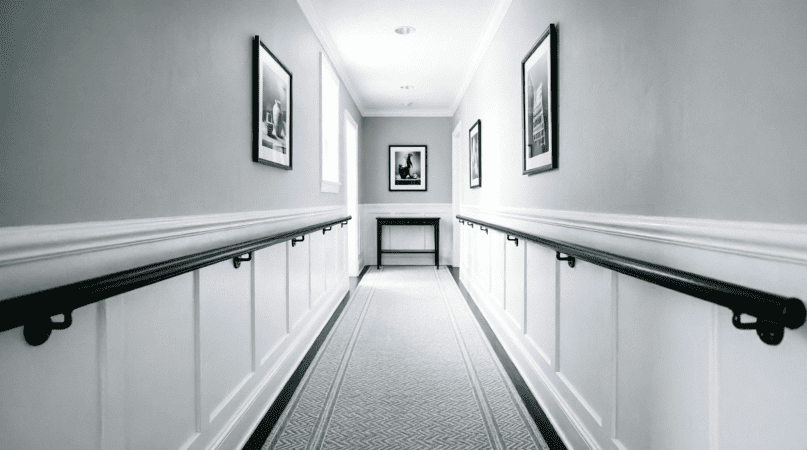
Entryways and hallways are often overlooked when decorating, even though they’re some of the first areas people see.
A wainscoting wall can give these spaces more definition without requiring much furniture.
A durable paint finish can also be practical in areas that receive frequent everyday traffic.
Practical tip: Plan around door frames, light switches, and outlets before determining your panel layout.
Avoid: Creating panels that end awkwardly around door openings or architectural interruptions.
11. Use Wainscoting in a Small Room
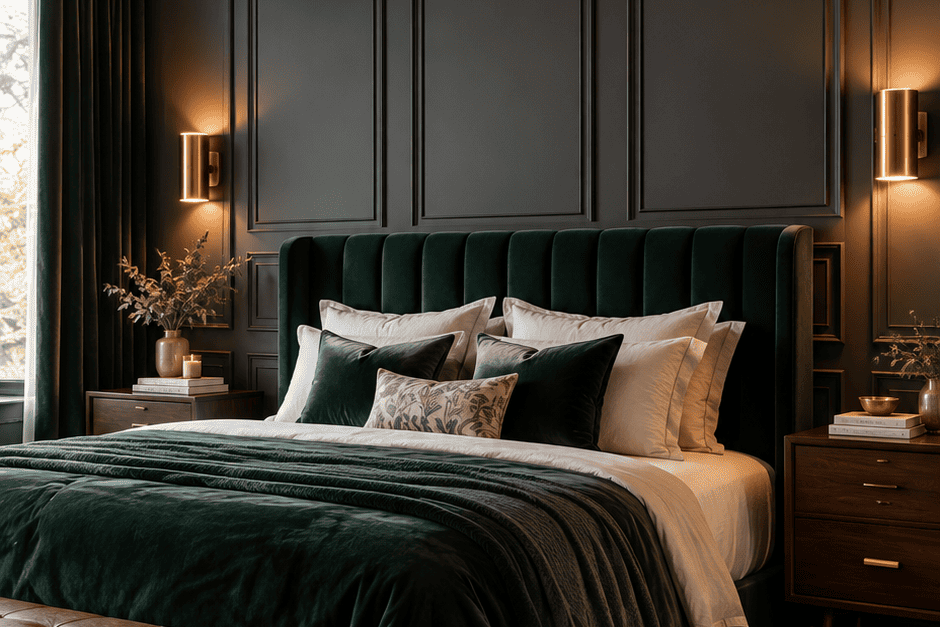
you know what? Small rooms don’t automatically rule out wainscoting.
The key is to consider proportion, visual weight, color, and pattern density.
Simple panels with consistent spacing can add character without overwhelming the room. A monochromatic color scheme can also create a quieter effect than using strong contrast.
In a small hallway, for example, vertical board-and-batten may emphasize height. In a compact bedroom, simple lower-wall panels may provide detail while leaving the upper wall visually open.
Practical tip: Test the panel proportions before committing to the entire wall.
Avoid: Using highly detailed molding everywhere simply because the room is small and you want to “add interest.”
12. Try Same-Color Wainscoting for a Modern Look
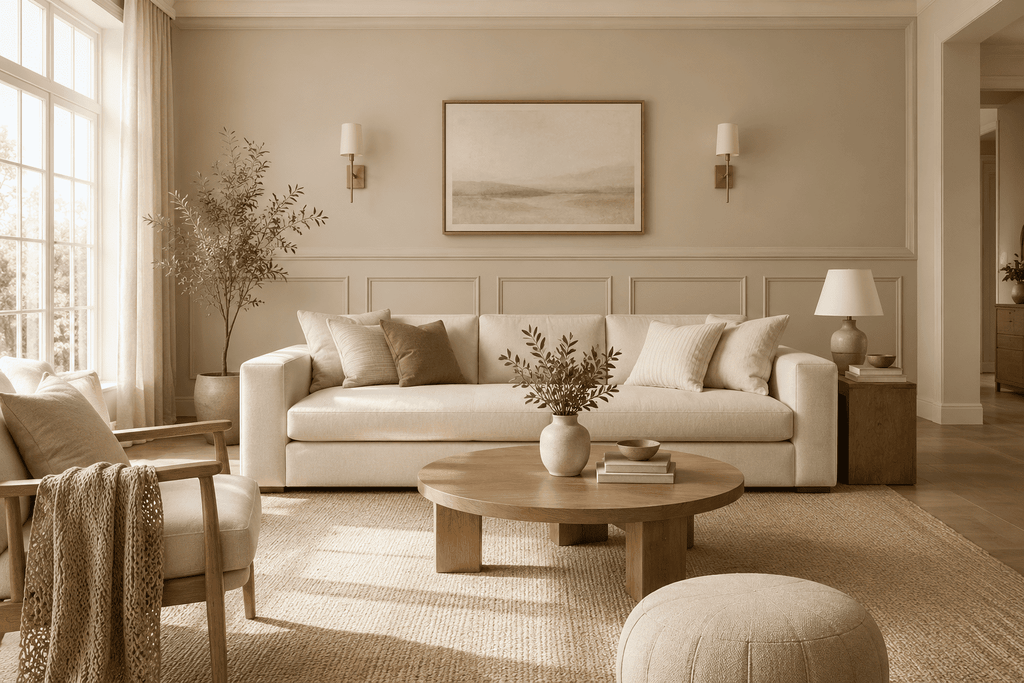
One of the easiest ways to make traditional paneling feel more contemporary is to use one color across the wall and the wainscoting.
Warm white, creamy beige, muted green, dusty blue, and earthy neutral tones can work depending on your room.
This approach is particularly useful if you like minimalist or contemporary interiors but still want some architectural detail.
Practical tip: Use the same color while allowing the panel profiles to create natural shadows.
Avoid: Assuming you need high contrast for the paneling to be noticeable.
13. Go Moody With Dark Wainscoting
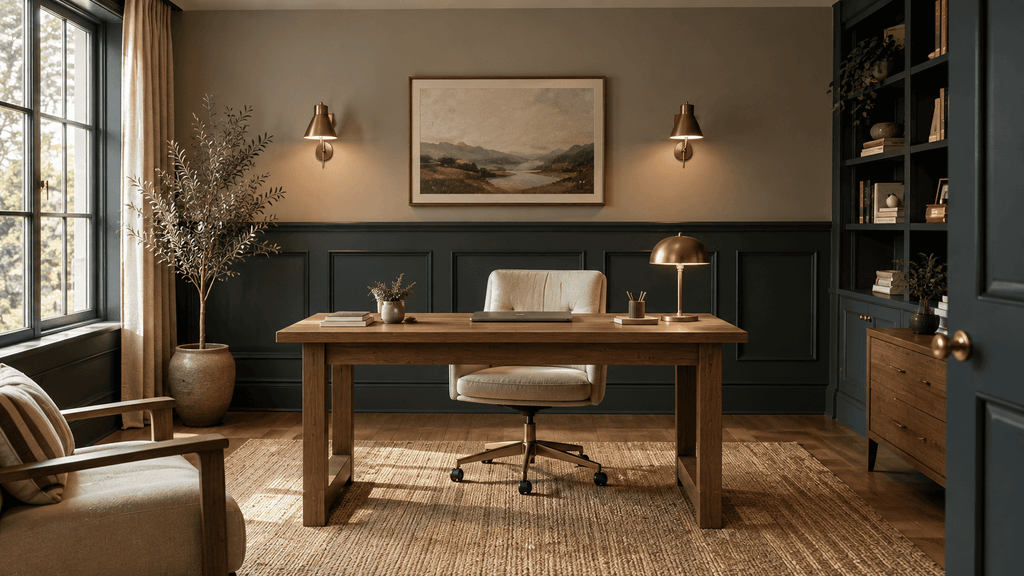
Dark wainscoting can give a room a more dramatic and sophisticated feeling. Deep green, charcoal, navy, brown, or other rich shades can work particularly well in dining rooms, bedrooms, offices, and cozy reading spaces.
For a more immersive design, use the same dark color across the entire wall.
If you’re nervous about dark colors, try using the darker shade only on the lower portion while keeping the upper wall lighter.
Practical tip: Consider the room’s natural and artificial lighting before choosing a very dark finish.
Avoid: Choosing a dark color solely because it looks good in a photo without considering how much light your room receives.
14. Create a Budget-Friendly DIY Look
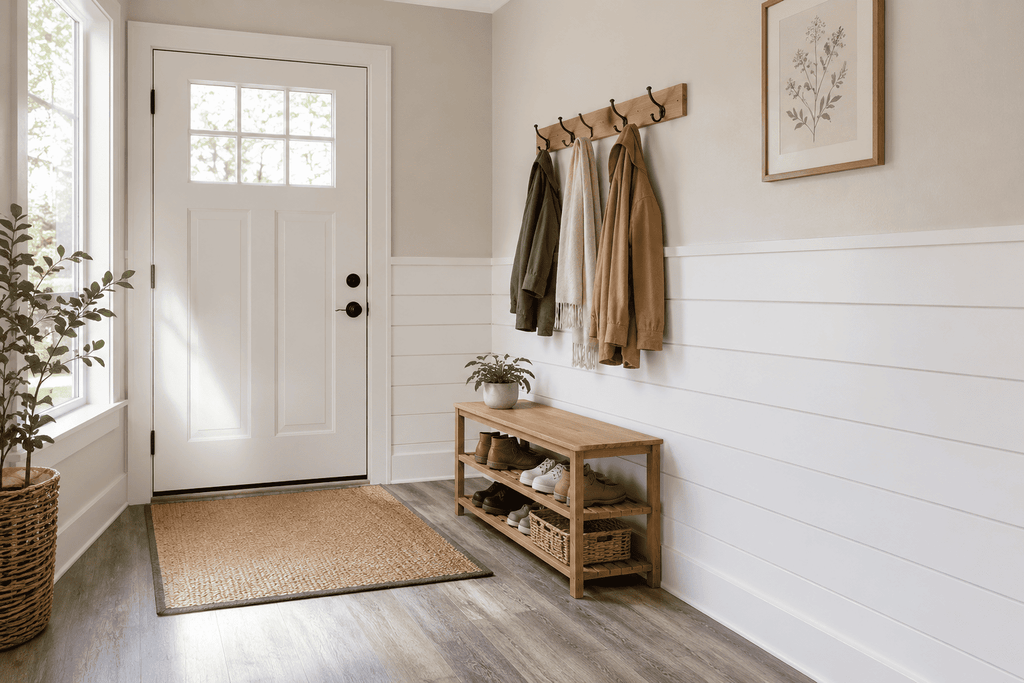
You don’t necessarily need an elaborate architectural system to create the appearance of wainscoting.
Simple applied molding can create geometric frames on an existing wall, making it a useful option for people looking for a more affordable update.
A straightforward layout can also be easier for a beginner to plan than a complicated multi-layered design.
If you’re considering a DIY project, carefully measure the wall first and plan around existing trim, outlets, doors, and windows.
Practical tip: Create a full layout before buying materials so you can estimate how many pieces you’ll actually need.
Avoid: Starting installation before checking that your spacing works across the entire wall.
15. Combine Wainscoting With Wallpaper
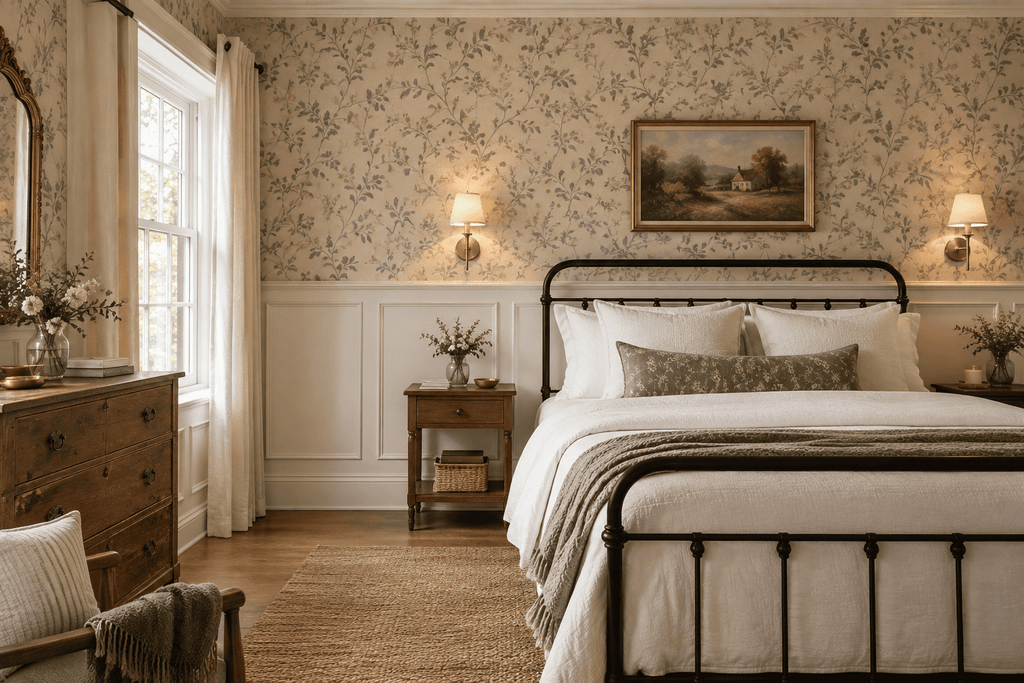
If plain paint feels too simple but full-wall wallpaper feels like too much, combining wallpaper with lower-wall wainscoting can give you both texture and pattern.
To keep the result balanced, let one element be the main visual feature while the other supports it.
For example, detailed wallpaper may pair better with simple paneling, while plain wallpaper can handle more structured wainscoting.
Practical tip: Choose colors that appear in both the wallpaper and the panel finish.
Avoid: Combining two extremely busy patterns that compete for attention.
How High Should Wainscoting Be?
There isn’t one universal height that works for every wainscoting wall.
You may see lower treatments around chair-rail height, designs covering roughly one-third of a wall, taller treatments reaching toward two-thirds of the wall, or full-height paneling.
The right choice depends on:
- Ceiling height
- Furniture placement
- Windows
- Doors
- Existing trim
- Outlets and switches
- Overall room proportions
Instead of copying the exact height from another room, look at your own architecture first.
For example, a very tall treatment may feel different in a room with low ceilings than it does in a room with generous vertical space.
The goal isn’t to follow one magic measurement—it’s to create proportions that look intentional within your particular room.
How to Make Wainscoting Look Modern
Worried that wainscoting will make your home look old-fashioned?
The design details make a big difference.
For a more modern appearance:
- Choose simple panel profiles.
- Keep lines clean and spacing consistent.
- Consider monochromatic colors.
- Try warm neutrals or earthy shades.
- Avoid excessive decorative molding.
- Match the panel style to your home’s architecture.
- Let the wall treatment complement rather than compete with your furniture.
Modern wainscoting doesn’t necessarily mean eliminating traditional details. It often means using those details more selectively and keeping the overall composition clean.
How to Get the Wainscoting Look on a Budget
If you’re working with a limited budget, simplicity can be your friend.
Consider a basic applied-molding design rather than an elaborate multi-layered system. MDF or other suitable materials may also provide options depending on the room and installation method.
You could also limit the treatment to:
- One accent wall
- The lower portion of a hallway
- The wall behind a bed
- A dining-room feature wall
- An entryway
A simpler pattern can also mean fewer materials and less complicated installation.
If you’re comfortable with DIY work, careful measuring and planning can help you approach a project more efficiently.
Just remember that the total cost depends on materials, tools, preparation, installation, and the size of the area.
7 Wainscoting Mistakes to Avoid
1. Choosing the Wrong Height
Don’t choose a height simply because it looked good in another room.
2. Using Too Much Detail in a Small Room
Complex molding can become visually overwhelming when there is already a lot happening in the space.
3. Ignoring Furniture Placement
A beautiful panel design can disappear behind a sofa, bed, or cabinet if you don’t plan around the furniture.
4. Forgetting Outlets and Switches
Electrical outlets and switches need to be considered before finalizing the layout.
5. Not Planning Around Doors and Windows
These architectural features can interrupt your pattern, so measure them before installation.
6. Using Inconsistent Spacing
Uneven panel spacing can make an otherwise attractive design look unplanned.
7. Choosing a Style That Clashes With the Home
A highly traditional panel treatment may feel disconnected in an otherwise minimalist space, while an ultra-modern design may not complement a strongly traditional interior.
Which Rooms Work Best With Wainscoting?
Living room: Adds architectural detail behind sofas, shelves, or artwork.
Bedroom: Creates a decorative backdrop behind the bed or adds subtle structure to plain walls.
Dining room: Helps visually frame the dining area and complement the furniture.
Hallway: Adds interest to an otherwise narrow and often overlooked space.
Entryway: Creates a finished first impression while giving the walls additional structure.
Bathroom: Beadboard and other suitable wall treatments can add texture, provided the material and finish are appropriate for moisture exposure.
Home office: Paneling can give a plain workspace more visual character without requiring lots of décor.
Which Wainscoting Style Is Right for You?
Think about what problem you’re trying to solve.
| Your goal | Style to consider |
|---|---|
| Clean, modern look | Simple flat or picture-frame panels |
| More wall texture | Beadboard |
| Strong vertical lines | Board-and-batten |
| Traditional character | Raised panels |
| Dramatic statement | Taller or full-height treatment |
| Budget-friendly update | Simple applied molding |
There isn’t one style that works for everyone. Your room size, existing architecture, furniture, lighting, and personal taste should all influence the choice.
Frequently Asked Questions
Is wainscoting still in style?
Yes, wainscoting continues to be used across a wide range of interior styles. Simpler profiles, clean lines, and contemporary colors can give it a more modern appearance.
Is wainscoting the same as beadboard?
Not exactly. Wainscoting is a broad category of decorative wall treatments, while beadboard is a specific style characterized by repeated narrow vertical grooves.
Does wainscoting make a small room look smaller?
Not necessarily. The effect depends on the height, color, panel design, spacing, lighting, and overall proportions of the room.
How high should wainscoting be?
There is no single correct height. Consider your ceiling, furniture, windows, doors, outlets, trim, and the overall proportions of the room.
Can I install wainscoting over drywall?
Many wainscoting systems can be applied to drywall, but the exact installation method depends on the material and design. Always follow the manufacturer’s installation requirements.
Is wainscoting expensive?
The cost varies based on the material, design complexity, room size, preparation, and whether you install it yourself or hire someone.
Can wainscoting work in a bathroom?
It can, but material selection and moisture resistance are important. Choose products and finishes appropriate for the bathroom environment.
What color should wainscoting be?
There is no required color. White and warm neutrals are common, but earthy greens, blues, taupes, charcoal, and other colors can work depending on the room.
Can I DIY wainscoting?
Simple applied-molding designs can be approachable DIY projects for someone comfortable with measuring, cutting, preparation, and installation. More complex treatments may require more skill.
What is the most modern-looking wainscoting style?
Simple panel profiles, clean spacing, and restrained colors are commonly used to create a modern appearance. The surrounding room and proportions matter just as much as the panel style.
Give Your Walls a Fresh Look
Wainscoting doesn’t have to feel formal, complicated, or old-fashioned. From simple picture-frame panels and modern board-and-batten to classic beadboard and dramatic full-height treatments, there are plenty of ways to add character to a plain wall.
The most important part is choosing a style that works with your room’s proportions, furniture, lighting, and existing architecture.
If your walls feel unfinished, start small. A hallway, entryway, bedroom wall, or single living-room feature wall can be enough to test the look before committing to a larger project.
Save your favorite wainscoting idea and use it as inspiration for your next wall update.